
You have no items in your shopping cart.
Total £0.00



Hello and Welcome to Best Years
For more information please email This email address is being protected from spambots. You need JavaScript enabled to view it.

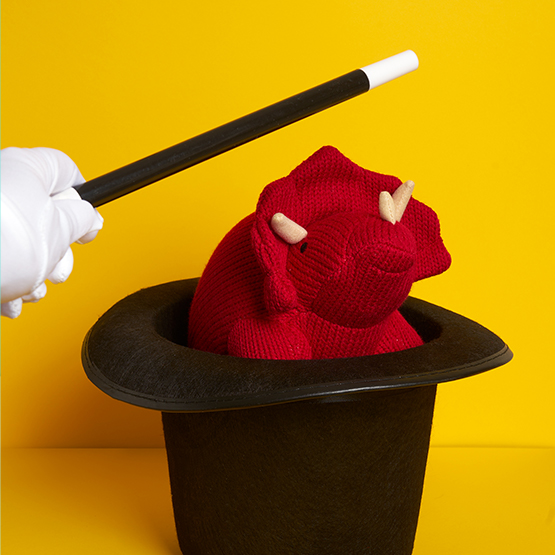

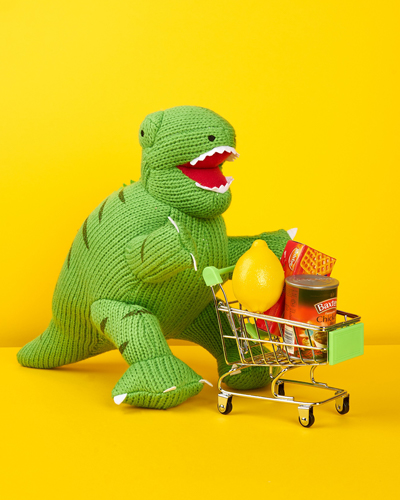
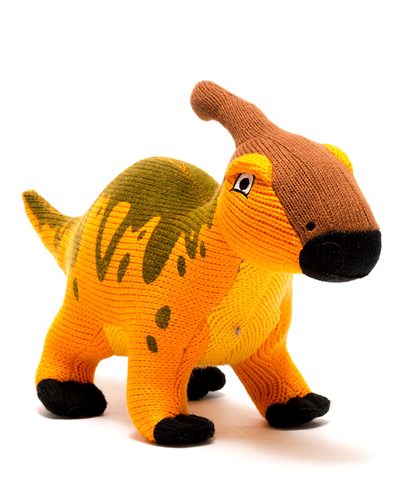
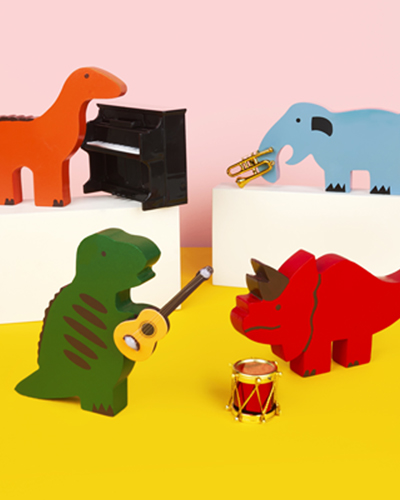
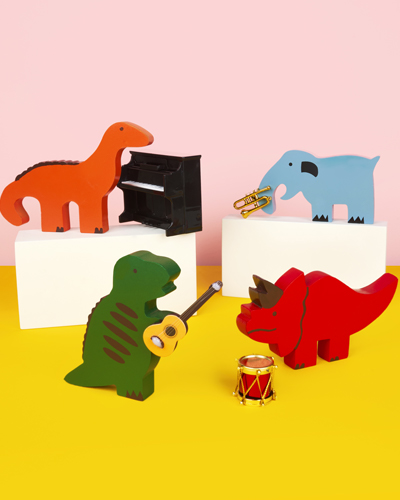
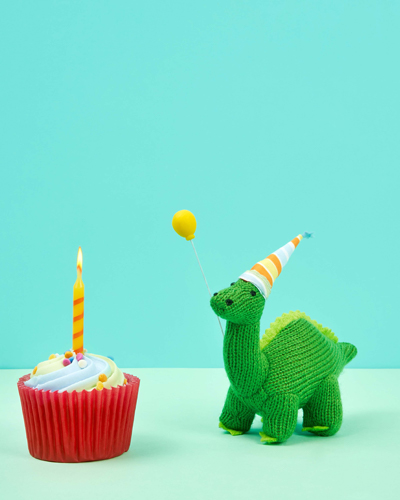
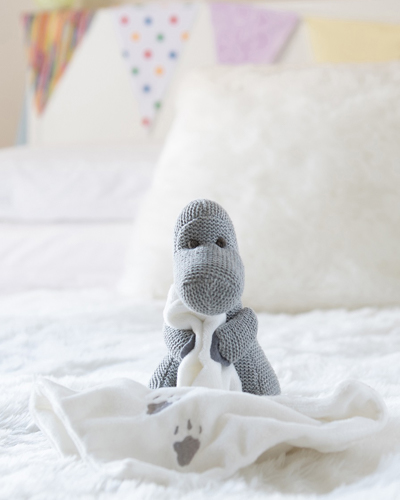
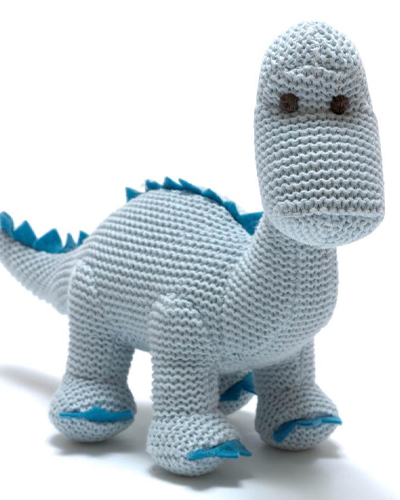
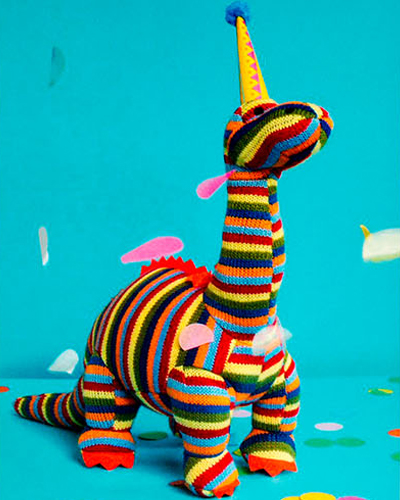
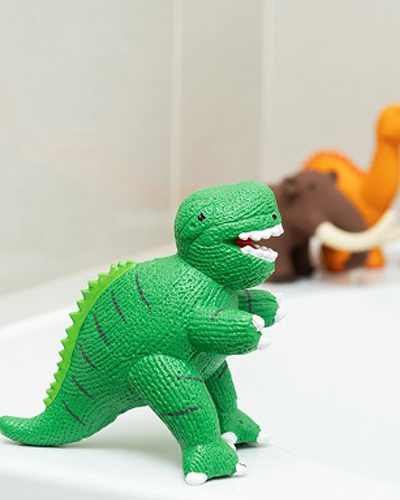
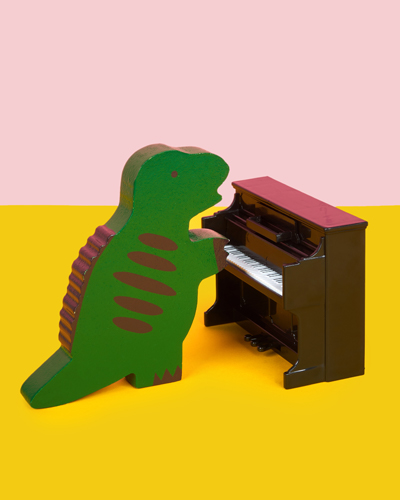
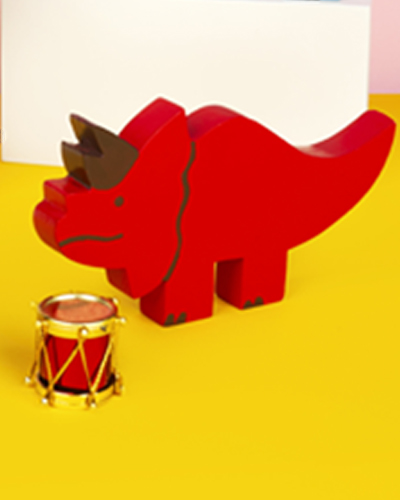
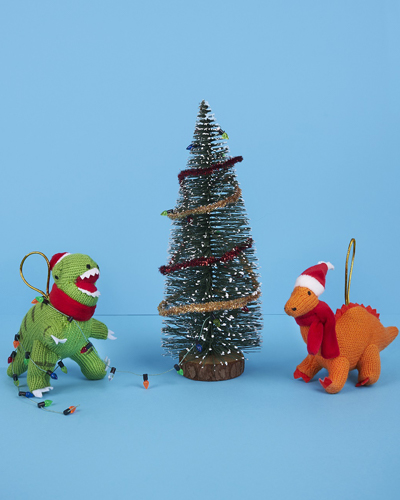
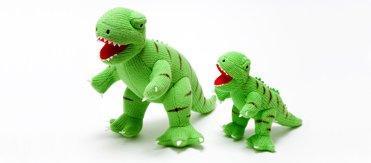
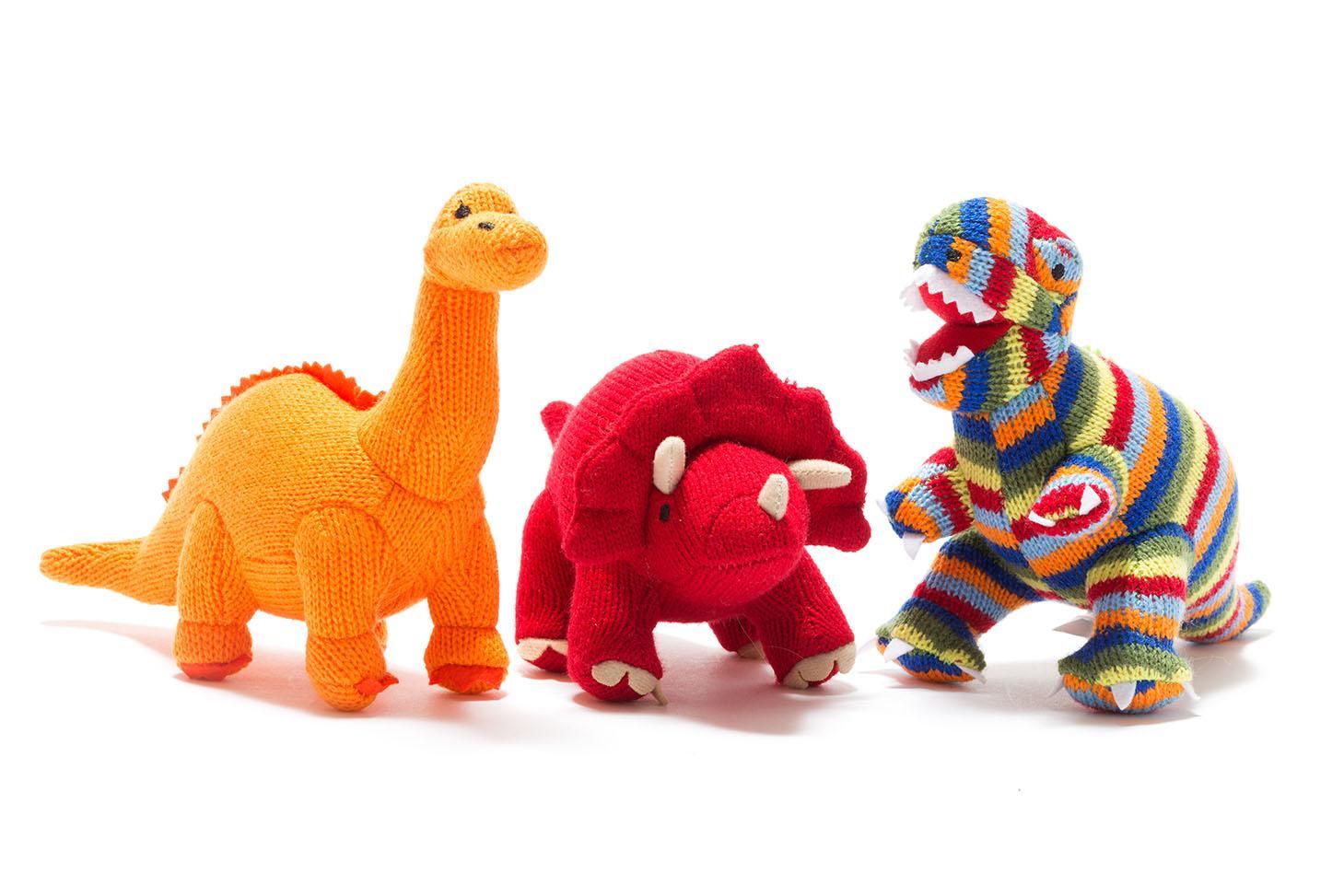
Most children love dinosaur toys and go through a dinosaur mad phase. Best Years offer a wide range of knitted dinosaur toys with 100% recycled stuffing, including baby dinosaur toys, dinosaur rattles, wooden dinosaurs, right through to large dinosaur toys. We have dinosaur toys for all ages of child and the largest range of knitted dinosaur cuddly toys available. We also offer corduroy dinosaur toys, wooden dinosaur toys for toddlers and natural rubber dinosaur toys that make excellent dinosaur bath toys and dinosaur teethers.


Our popular diplodocus dinosaur soft toy in a red tartan. Ideal for dinosaur mad kids or fans of everything Scottish. Whether you are looking for Scottish themed dinosaur toy or are a fan of tartan,


This dark green tweed T Rex soft toy combines a classic fabric with playful ferocity. Its body is made from textured tweed in a deep forest green giving it a refined quality. Running down its back


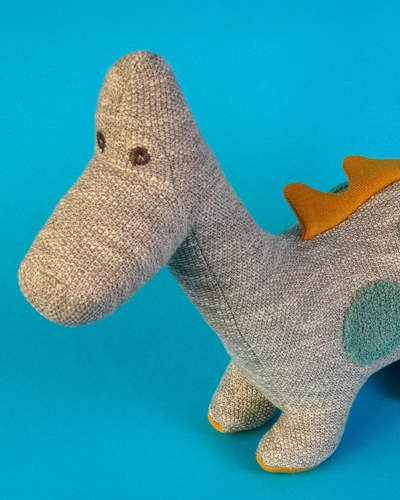
A tweed version of our popular diplodocus dinosaur toy. This tweed dinosaur soft toy has a brown tweed body with orange spikes and claw detailing. These Jurassic dinosaur friends have a distinctly


Our popular mammoth soft toy is now available in a striking purple corduroy fabric. This corduroy woolly mammoth cuddly toy combines a charming blend of prehistoric majesty with a playful textile


Our corduroy mammoth soft toy is in purple is available as a small toy. This small corduroy woolly mammoth cuddly toy combines a prehistoric charm with a textured tactile design. Made from soft,


This small T Rex dinosaur toy is made from soft, blue corduroy fabric, giving it a unique and tactile texture. Its bright blue color makes it stand out, while the corduroy material adds a cosy,


This gorgeous T Rex dinosaur soft toy is made from soft, blue corduroy fabric. This playful dinosaur has a textured but soft surface that adds a charming, tactile feel. Its vibrant blue color makes


This adorable small yellow corduroy dinosaur soft toy is perfect for cuddling and playtime. Made from soft, textured corduroy fabric, it features charming details like embroidered eyes, a friendly


This is a charming,diplodocus dinosaur made from soft, ribbed yellow corduroy fabric stands at about 42 cm tall, The cheerful yellow hue and friendly expression make it an instant favorite for both


This adorable small green triceratops is made from soft, durable corduroy fabric, making it perfect for cuddles and playtime. Standing at approximately 15 cm tall, this charming dinosaur features the


Meet our adorable corduroy green triceratops dinosaur toy, a charming soft toy that combines the timeless appeal of dinosaurs with the soft texture of corduroy fabric. This delightful creature stands
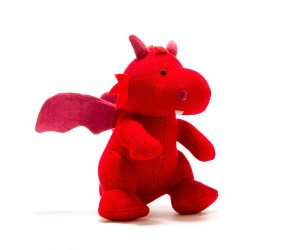

Meet Draig the dragon soft toy. This mighty dragon is more than a toy; it’s a guardian of bedtime stories, a confidant during stormy nights, and a symbol of creativity spun from love. Whether


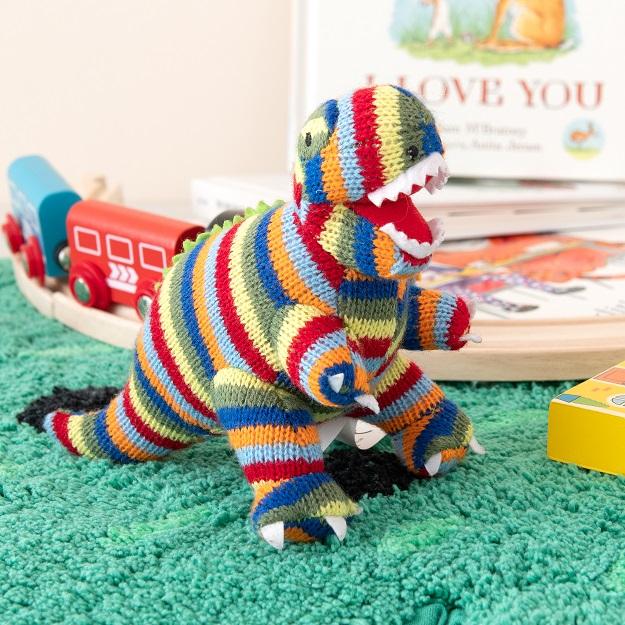
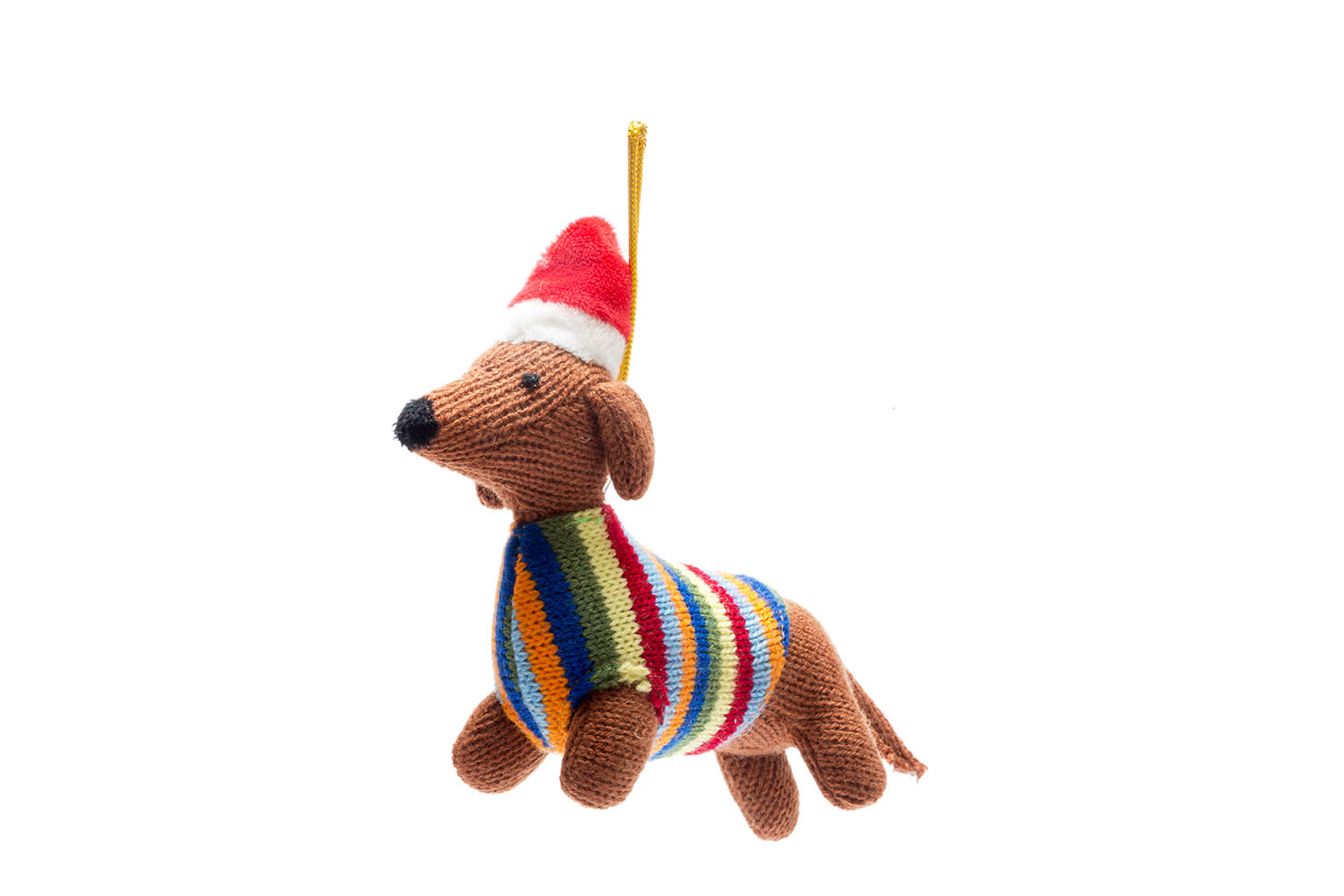


Best Years are a UK toy company specialising in soft toys with a difference. We have a wide range of knitted, crochet and fair trade toys, and the very best range of knitted toy dinosaurs ever! We pride ourselves on the quality of our toys and of our service so please email sales@bestyears.co.uk if you need any more information.
@bestyearsltd (@bestyearsltd)
BABY TOYS WHOLESALE Shopping & retail Best Years Ltd - #Wholesale & Consumer 🦖 Knitted #Dinosaurtoys 🦕 #Organic Scandi Toys 🦖 #Woodentoys 🦖 Organic Baby Comforters 🦖 Ethically Sourced Toys linktr.ee/bestyearsltd
We ship worldwide. Just ask for details
PO Box 6898
Northants NN11 3WG, UK